 Malfoy
Evaluation of cannabinoid hardware requires careful attention to raw material selection and extraction cleanliness. Consumer demand for novel compounds has created wide gaps in product standards across the commercial market. The platform On Pattison tracks formulation transparency through independent analytical lab reports. Standardized testing protocols confirm compound concentration while detecting residual solvents or chemical by-products. Clean oil formulations protect consumers from unwanted heavy metals or synthetic residual agents. Evaluating hardware design alongside liquid purity provides a clear picture of overall device reliability.
Evaluating Liquid Formulations and Hardware Durability
Vape performance depends on high purity levels and physical device structural integrity. Premium hardware uses medical-grade ceramic elements to prevent burnt flavours notes during heating cycles.
Distinct Standards for Modern Vaporizer Formulations
Hardware construction must match the viscosity of high-concentration cannabinoid extracts to ensure smooth vaporization. Inferior devices often leak or overheat the liquid compound.
- Ceramic heating elements ensure precise temperature control without burning delicate oils.
- Third party lab tests verify exact potency levels across batch production runs.
- Zero fill agents ensure pure concentrate delivery without harmful chemical additives.
- Heavy metal testing guarantees heating elements do not leach toxic particles.
- Natural terpene profiles enhance vapor flavours without requiring artificial flavourings.
- Sturdy hardware casing prevents leaks during everyday transport and temperature shifts.
- Consistent airflow channels provide steady vapor delivery without clogging issues.
- Clear Labeling shows verified batch numbers for full product traceability.
Comparing Extraction Methods for Cannabinoid Concentrates
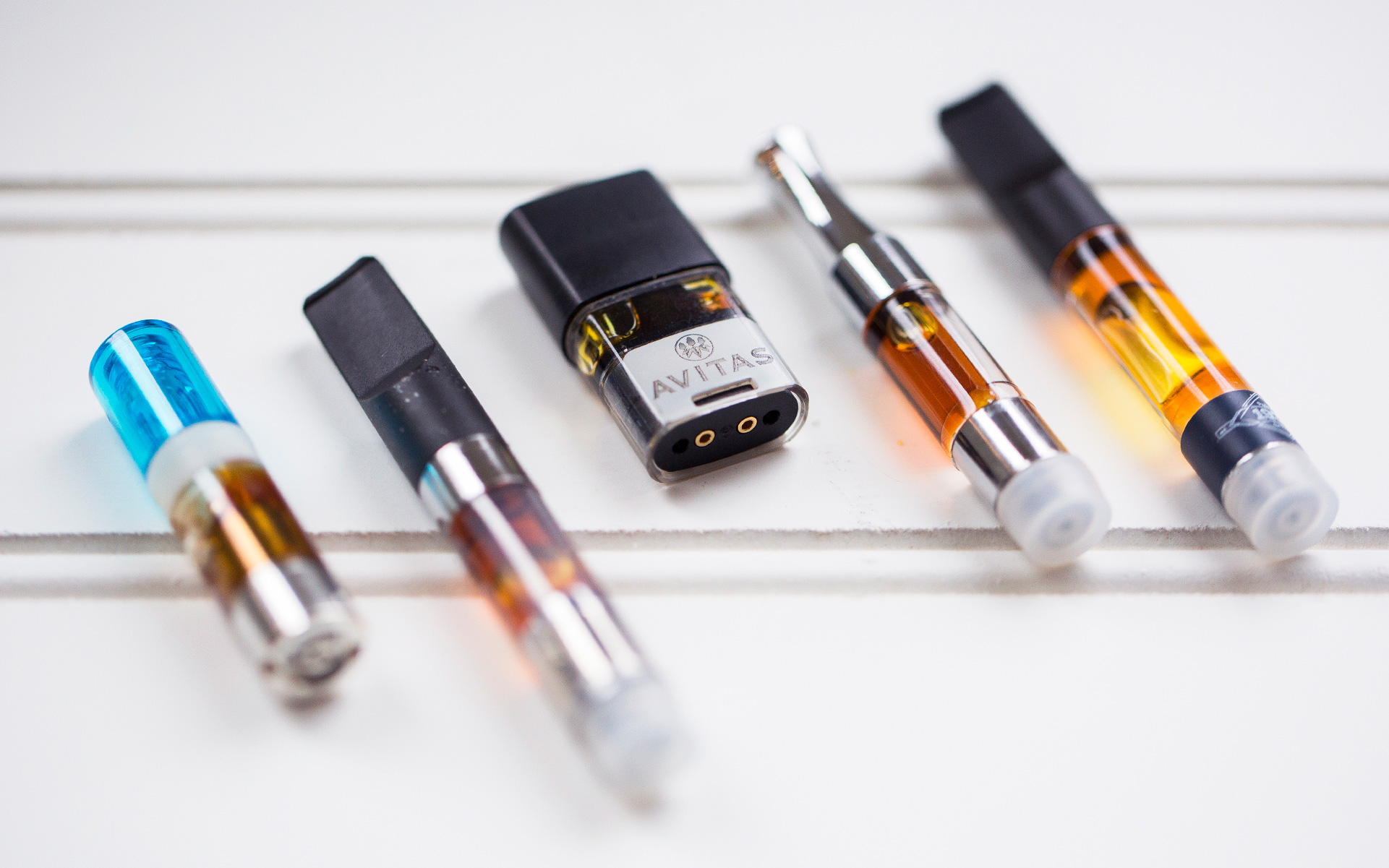
Modern extraction processes dictate final oil cleanliness and chemical stability. Supercritical carbon dioxide extraction isolates target molecules without leaving harsh solvents in the liquid.
| Product Model | Capacity | Heating Element | Primary Compound Focus |
| Pattison Pro Cartridge | 1.0ml | Porous Ceramic | Concentrated Pure THCP Blend |
| Pattison Live Resin Bar | 2.0ml | Dual Quartz Coil | Terpene Enriched Formula |
| Pattison Vapor Pen | 0.5ml | Micro Ceramic Cell | Balanced Daily Distillate |
| Pattison Max Vape | 3.0ml | Variable Temperature | High Capacity Full Spectrum |
Clean processing avoids toxic hydrocarbons like butane or propane in finished Vapes. High-purity extracts preserve minor cannabinoids for balanced formulation profiles. Independent laboratories verify that zero chemical residue remains after concentration phases finish.
Understanding Analytical Lab Testing for Vaporizer Purity
Does independent laboratory testing guarantee absolute safety for vape users? Full panel lab tests analyse potency alongside residual solvent levels. Chemical analysis detects pesticide residues and heavy metals left from plant cultivation. Mold screening prevents biological contaminants from entering consumer vape hardware. High testing standards separate premium producers from low-quality market options.
Structural Integrity in Modern Vape Devices
Cartridge construction relies on high-grade glass and medical steel components. High-quality materials resist degradation when exposed to potent natural oils over extended periods.
Standardization across Chemical Formulation Batch Operations
Reliable producers enforce strict quality controls across every manufacturing stage. Batch consistency ensures uniform potency levels without strength variations between individual cartridges. Pure formulations avoid synthetic dilution agents that alter oil viscosity unnaturally. The platform On Pattison highlights products adhering to strict manufacturing protocols. High production standards protect overall vape device reliability and liquid stability.
Frequently Asked Questions
- How is THCP extract purity verified by analytical lab testing? Independent labs run chromatography tests to measure exact chemical percentages and purity.
- Why do ceramic heating coils improve vape liquid vapor production? Ceramic coils heat oil evenly without scorching compounds or creating harsh vapor.
- What solvent residues should never appear in clean vape oil? Butane, propane, ethanol, and hexane must be completely removed during processing.
- How do natural terpenes affect overall vape liquid quality profiles? Natural terpenes provide authentic flavours profiles without requiring synthetic chemical additions.
- Are full panel lab tests required for all vape products? Full panel testing is optional in some regions but marks high-quality items.
Reliable Standards in Cannabinoid Hardware Evaluation
Analytical testing combined with high-grade hardware defines modern vape excellence. Consistently checking lab certificates protects against residual contaminants and inconsistent potency levels. Consumer safety relies on clear ingredient disclosure and clean manufacturing practices across all production runs. Quality verification remains an ongoing process rather than a single check. Focus on verified manufacturing details ensures long-term satisfaction and product consistency.