
 Malfoy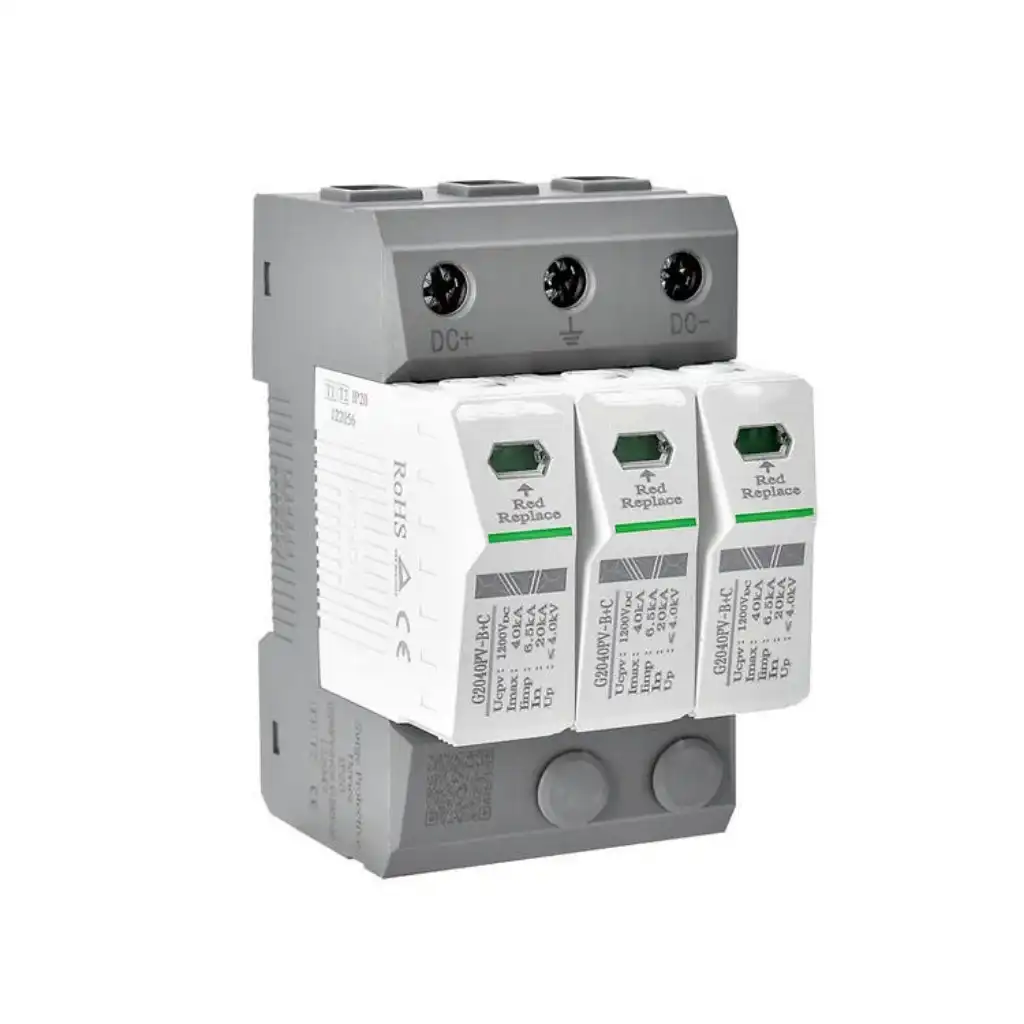
Every power system fights the same invisible enemy voltage surge. When that strike comes through the line, only the right protection stands between a short spark and a shutdown. Knowing the main single phase surge protector and how they connect inside a board helps any professional wire safely and avoid expensive surprises later.
Type 1 SPD Wiring And Lightning Protection Role
Type 1 units are built tough for direct lightning energy. They sit right beside the main breaker or meter, connecting to live, neutral, and earth with the shortest path possible. Their heavy metal-oxide blocks absorb huge current spikes and throw them to ground. If they react a second late, the surge travels inside, so distance and connection length matter more than looks.
Type 2 SPD Wiring For Internal Surge Management
Type 2 SPDs pick up the work inside the building. They tackle the smaller but frequent voltage jumps caused by motors, lifts, or compressors switching on and off. Wiring must be neat, straight, and firm. A loose terminal raises resistance and slows the device’s response. A well-tightened Type 2 unit can handle thousands of small surges without complaint.
Type 3 SPD Connection Near End-Use Equipment
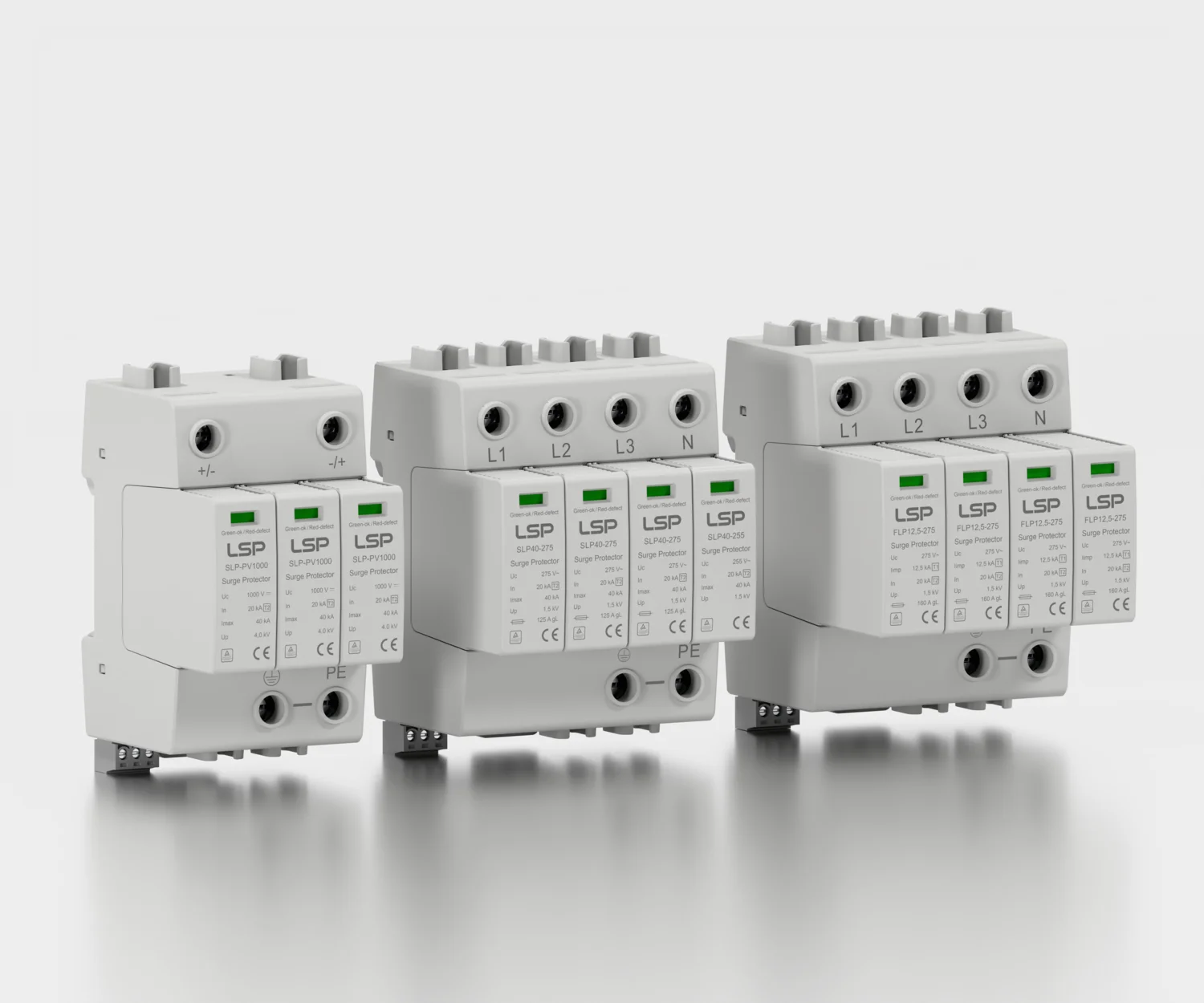
The last line sits closest to the devices that feel every voltage twitch computers, routers, lab machines. Type 3 SPDs come in plug-in forms or compact sockets. They cannot face lightning but act fast enough to stop the leftover pulse. These are the quiet guards that keep sensitive boards alive when the larger SPDs finish their work.
How Cascading Type 1 And 2 Improves Reliability
When both stages are installed in order, the load spreads evenly. Type 1 takes the heavy punch; Type 2 smooths what remains. Without that pairing, the second unit burns out early, or the first stays overloaded. Large plants, hospitals, and airports rely on this cascading setup because downtime costs far more than extra hardware.
Coordination Between SPDs And Circuit Protection Devices
An SPD is only half the story; it needs the right breaker partner. If the breaker trips too easily, the SPD never gets to act. If it holds too long, overheating follows. Use the manufacturer’s coordination chart to match ratings. When correct, the breaker isolates only a failed SPD, keeping power flowing to the rest of the system. That small harmony is what separates smooth installations from chaotic ones.
Reading And Keeping The Diagram For Later Use
Always keep the original surge protection device wiring diagram taped inside the panel door. Future technicians can see wiring routes, breaker sizes, and test points in seconds. In real sites where teams change often, that single page saves hours of guessing and prevents costly mistakes.